

Diabetes mellitus
This is a text-based activity introducing students to diabetes mellitus.


Glucose in the urine is an indication of diabetes mellitus. For this lesson, students test artificial urine samples for the

In the text-based activity, students look at the levels of glucose and insulin in the blood after a meal.

This text-based activity describes a person who is experiencing some unusual, early symptoms of diabetes.They visit their doctor who refers

In this lesson, students look at artificial sweeteners in carbonated drinks. This is done by comparing the density of normal

In this lesson, students are given basic information on the dietary requirements of a person with diabetes.They will then do

This paper-based revision activity asks students to summarise all the different methods of food preservation and how they work.

Students investigate the effects of a range of preservatives on the storage of peas. Preservatives tested include salt, vinegar, sugar,

Food spoilage is often caused by microbial growth. During this lesson, students will investigate the conditions necessary for the growth

In this paper-based activity, students are introduced to the polysaccharides known as pectins, their extraction from fruits and purification for

Making jam is a traditional method of preserving fruit. Students investigate the best conditions to form a gel using liquid

Students make vanilla-flavoured drinks and set up a tasting panel to judge which drink is the best in terms of

Stabilisers and emulsifiers are used in foods such as salad dressings, processed cheese, preserve, margarine and yogurt. Students carry out

Emulsifiers and stabilisers help to keep foods that contain oil and water mixed, with a regular consistency. Students research the

Students produce a chromatogram using the colour extracted from jelly babies in the practical experiment C2. This shows that food

The manufacturers of jelly babies add colours to the sweets. In this investigation, students remove the colours from different jelly

Food colourings are often added to make food look attractive and enhance its appeal. Students look at a range of

Many foods contain fats and unsaturated fats are prone to oxidation. If this happens, they can produce unpleasant and harmful

Oxygen is essential for life but oxidation reactions are not always useful. Oxidations in food can cause it to deteriorate.

A fun selection of card games to test students’ knowledge of different foods and their ingredients

In this text-based activity, students look at the preparation of a buffet lunch for a school fete. They are asked

Students are given the ingredients list from a vinaigrette salad dressing, and have to identify the different additives it contains.

By law, food manufacturers must list, on the packet, the ingredients in their products. Ingredients are usually listed in descending

Students will learn about the main classes of food additives, and their purpose

Students are given copies of ingredients labels from several common foods, including baked beans, cornflakes, ice cream and naan bread.

The purpose of this activity is to illustrate that all foods are chemicals.Students are given lists of ingredients from five

The problem with powders is that the particles tend to clump together. This makes processing difficult and leads to inconsistencies
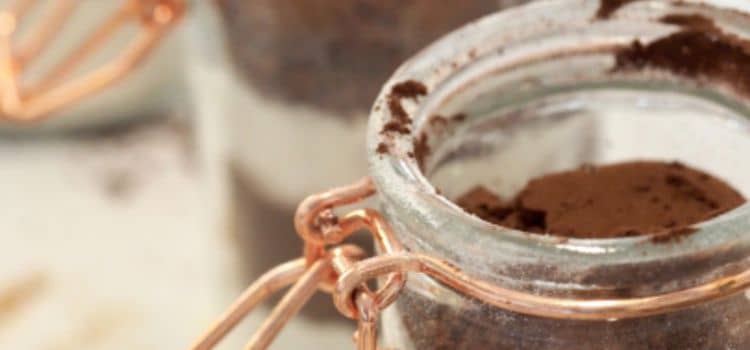
Students are given the results from an investigation into the effect of an anti-caking agent on the flow of cocoa

Foods like oranges, lemons, yogurt and apples have a sharp taste because they contain naturally occurring acids. Citrus fruits contain

Foods containing flour must be baked before they can be eaten, to enable the starch in the flour to become

The reactions between acids and alkalis are important in the production of food. Sherbert contains citric acid and sodium bicarbonate.

Students carry out practical activities to investigate raising agents, and how they are affected by different pH. Carbon dioxide is

Citric acid and sodium bicarbonate are dissolved in water to give two commonly used solutions in the food industry.The pH